Have you ever finished a challenging workout and felt sore for days? Or pushed yourself harder than usual only to find your energy drained for the rest of the week? Muscle recovery is just as important as training itself. Without it, progress slows and injuries become more likely. The right supplements can help you bounce back faster, reduce soreness, and keep you ready for the next session. Let's explore the top options for men looking to support recovery.
Whey Protein: The Post-Workout Staple
Whey protein is one of the most studied and effective supplements for muscle recovery. It’s quickly absorbed by the body, making it an ideal choice right after workouts.
Whey contains all nine essential amino acids, including leucine, which plays a significant role in triggering muscle protein synthesis. After exercise, consuming 20–30 grams of whey protein can help kick-start repair and growth.
Example: Drinking a whey protein shake with water or milk within 30 minutes of finishing your workout can supply your muscles with the amino acids they need to start rebuilding.
Creatine: Not Just For Strength Gains
Creatine is often associated with building strength and size, but it's also valuable for recovery. Increasing your muscles' stores of phosphocreatine helps produce ATP—the primary energy currency during high-intensity efforts. This means you can recover faster between sets and even between workouts.
Studies suggest creatine may reduce muscle damage and inflammation after intense training. A daily dose of 3–5 grams works well for most men, and it can be taken at any time of day, with or without food.
Branched-Chain Amino Acids (BCAAs): Extra Support For Intense Training
BCAAs—leucine, isoleucine, and valine—are popular among athletes who train hard or fasted. While you can get them from a complete protein source like whey, supplementing with BCAAs before or during a workout may reduce muscle breakdown and speed up recovery.
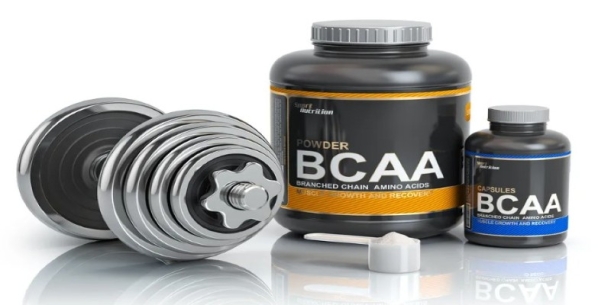
They're instrumental if you train in a calorie deficit or have long training sessions. Many find that sipping on a BCAA drink during workouts helps maintain energy levels and reduces next-day soreness.
Omega-3 Fatty Acids: Fighting Inflammation From The Inside
Exercise naturally causes inflammation, but too much can slow recovery. Omega-3 fatty acids, found in fish oil supplements, have anti-inflammatory properties that may help reduce muscle soreness and improve joint health.
For men who train frequently, 1–3 grams of combined EPA and DHA per day can support recovery while also promoting heart and brain health. If you don’t eat fatty fish like salmon or sardines twice a week, supplementation can be a good choice.
L-Glutamine: Recovery Support During Intense Periods
Glutamine is the most abundant amino acid in the body, playing a role in muscle repair, immune function, and gut health. While your body can produce it, levels may drop during periods of intense training or Stress.
Supplementing with 5–10 grams of glutamine post-workout or before bed may help with recovery and reduce muscle soreness, particularly for endurance athletes or those on a calorie-restricted diet.
Tart Cherry Juice: Nature’s Recovery Drink
Tart cherry juice has gained attention for its natural anti-inflammatory and antioxidant effects. Studies show it can reduce muscle soreness and improve recovery time, especially after high-intensity or long-duration exercise.
Drinking a small glass (8–12 ounces) after training or before bed can help reduce delayed onset muscle soreness (DOMS) and improve sleep quality, both of which are key for recovery.
Beta-Alanine: Delaying Fatigue For Better Performance
Beta-alanine is known for improving muscular endurance, but it can indirectly help recovery by allowing you to train more efficiently and with less fatigue. It works by increasing muscle carnosine levels, which buffer acid buildup during exercise.
A typical dose is 3–6 grams per day, split into smaller servings to avoid tingling sensations. While not a direct recovery agent, better performance in workouts can lead to improved adaptation and resilience over time.
Magnesium: The Often-Overlooked Recovery Mineral
Magnesium plays a role in over 300 biochemical reactions in the body, including muscle contraction and relaxation. Low magnesium can lead to cramps, fatigue, and slower recovery.
Active men may need more magnesium than the average person. Supplementing with 200–400 mg of magnesium glycinate or citrate in the evening can promote muscle relaxation and better sleep—two pillars of recovery.
Vitamin D: Supporting Muscle Strength And Repair
Vitamin D deficiency is common, especially for those who live in areas with limited sun exposure. Adequate vitamin D levels support muscle strength, immune function, and bone health, all of which are tied to better recovery.

A simple blood test can determine your levels. If they’re low, supplementing with 1,000–4,000 IU per day (depending on your needs) can help keep your recovery on track.
Putting It All Together
While each supplement offers its benefits, combining them strategically can provide the best results. A typical recovery stack might include whey protein post-workout, creatine daily, and omega-3s to help control inflammation. For extra support during heavy training cycles, BCAAs, glutamine, and tart cherry juice can be added.
Supplements work best when paired with the basics: enough calories and protein, quality sleep, hydration, and innovative training programming. Relying solely on supplements without addressing these fundamentals will yield limited results.
Choosing The Right Supplements For You
Not every man needs every supplement on this list. Your choices should depend on your training style, goals, diet, and recovery needs. For example:
If you struggle with soreness after long runs, omega-3s and tart cherry juice may help most.
If you lift heavy and want to improve strength and recovery, creatine and whey protein are key.
If you train multiple times a day or in a fasted state, BCAAs might make a difference.
It’s always wise to consult a healthcare professional before starting new supplements, especially if you have existing medical conditions or take medications.
Supporting Long-Term Training Success
Recovery is the bridge between training sessions—it’s where the real growth happens. The right supplements can help you feel stronger, train harder, and stay consistent over the long term. By giving your body the nutrients it needs, you can reduce downtime, keep pushing toward your goals, and enjoy your workouts more.
Your training may challenge you, but recovery fuels your progress. Choose your supplements wisely, combine them with solid lifestyle habits, and you’ll set yourself up for sustained success in and out of the gym.